

Meet Paideia’s 2026 Summer Teaching Literacy with Latin Grant Recipients
Aminata Hughes·September 25, 2026
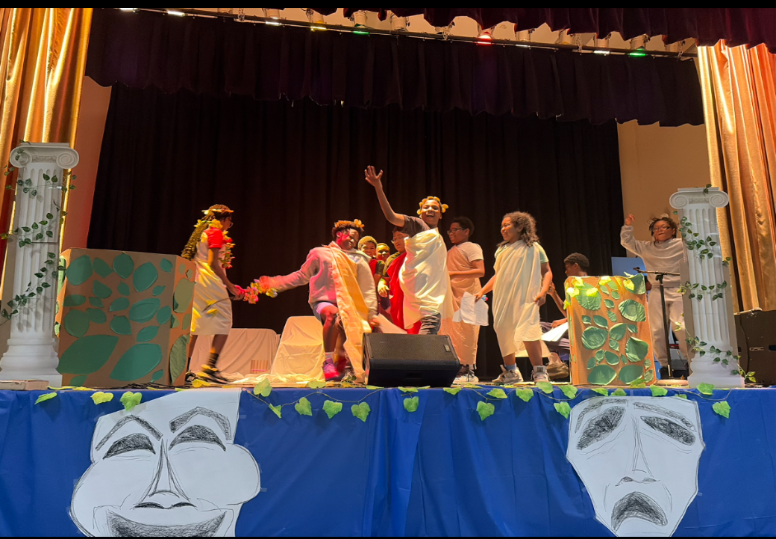
As we look back on the summer, Paideia’s Outreach team is excited to share a few standout stories from this year’s Teaching Literacy with Latin summer camp cohort!
Teaching Literacy with Latin is the Paideia Institute’s flagship Outreach program that expands access to the study of the Classics through fun, free extracurricular Latin classes for younger learners. For over ten years, passionate volunteers have used our Aequora curriculum to teach literacy and Classics to elementary and middle school students across the globe. Teaching Literacy with Latin reaches about 150 students a year, many of whom would not be able to study Latin otherwise.
Each summer, we award 10 grants of $100 to high school students who want to establish outstanding Teaching Literacy with Latin summer camps in their communities.
We are pleased to share reports from three exceptional TLwL camps from summer 2026:
Classical Roots: An Intergenerational Summer Initiative
Alex Doctoroff, New York City
“Beyond the cognitive benefits, this intergenerational partnership transforms learning into something deeply human.”
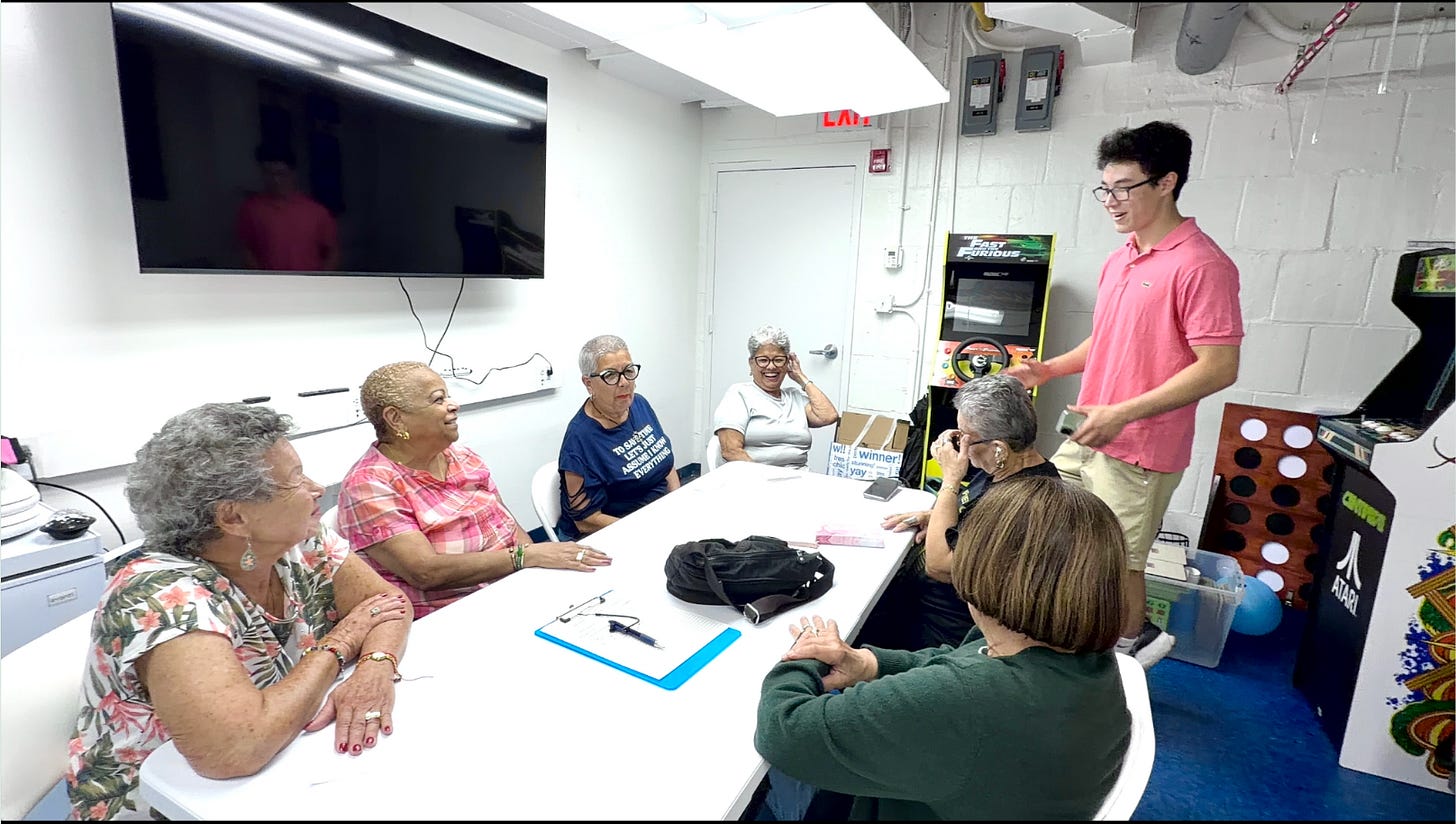
Alex Doctoroff wanted to center his camp around the theme of decoding. More specifically, “the ability to decode the English language from the inside out.” But he wanted to go further. Alex, a 10th grade student at the Groton School, had the radical idea of bringing together two distinct groups of students–middle schoolers from PS/MS 184 Shuang Wen School and senior citizens from the Henry Street Settlement–to use Classics as a bridge to explore language and build community between generations. This marks the first time the Aequora curriculum has been used with an older adult population. Alex was also able to bring his program to the Madison Square Boys & Girls Club (Thomas S. Murphy Clubhouse) this summer.
Middle school students took on the identity of “Code-Breakers,” using Latin roots to parse out advanced English words, while the seniors became “Legacy Architects” who sharpened their minds with linguistic connections and cognitive retrieval.
Alex’s camp featured skits, hands-on projects and adaptations of familiar games, i.e. Classical Bingo and Classical Mafia. But above all, the highlight of the summer was watching the two groups finally interact on the final day of his program:
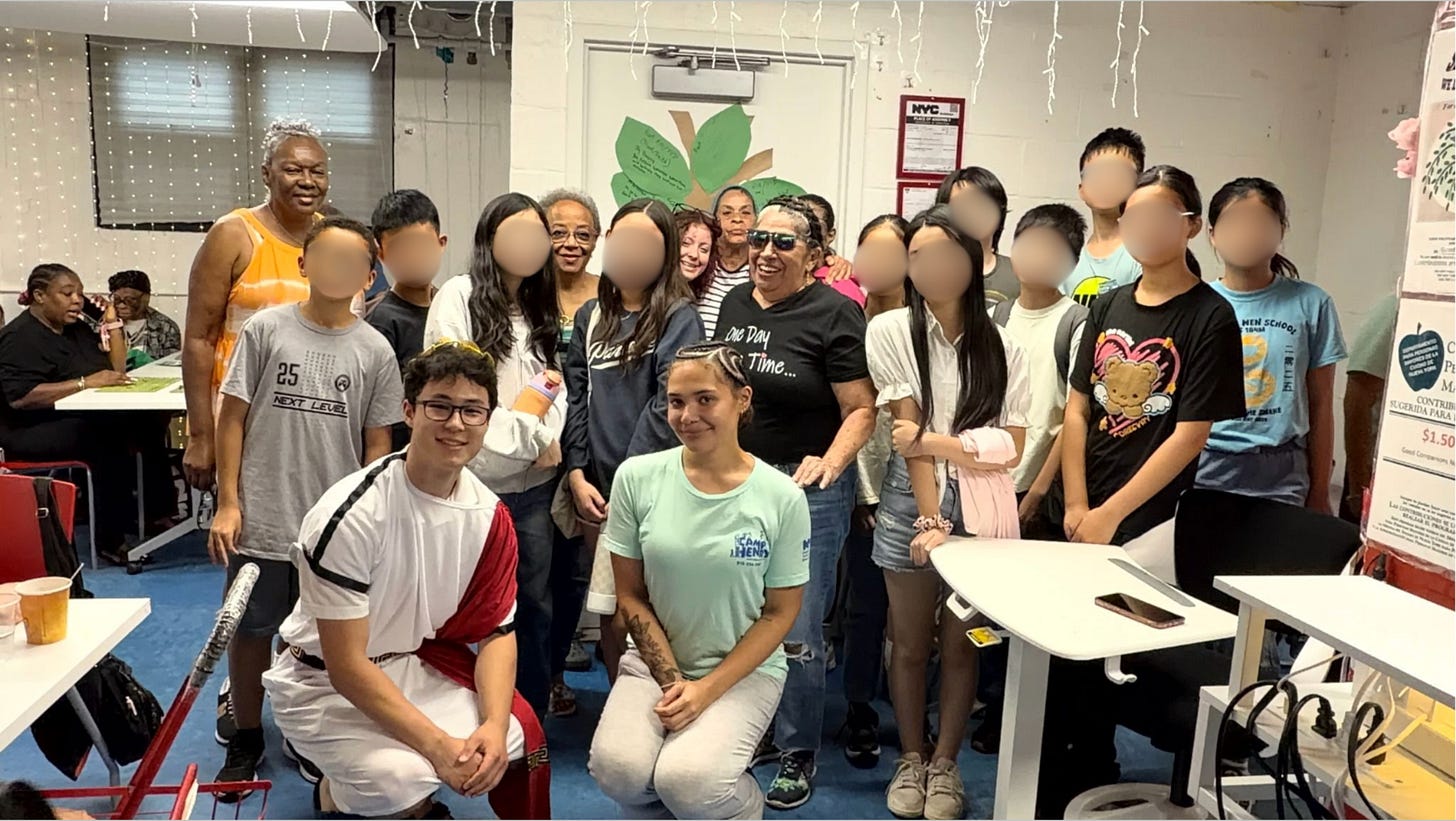
“The highlight of the summer was a joint workshop that brought the middle schoolers and older adults together in the same room. During this session, the students took the lead as program ambassadors, teaching the older adults the vocabulary roots and games they had mastered over the summer. In return, the older adults shared their own life experiences, family histories, and personal perspectives.
This session was where everything clicked. Seeing different ages, languages, and backgrounds blend together turned what started as separate neighborhood classes into one genuine, shared community experience.”
Classics Comes to Life on Islesboro, Maine
Charlie Friedman
“I used stories, visuals, questions, and mythology to make the ancient world something the students could actually enjoy.”
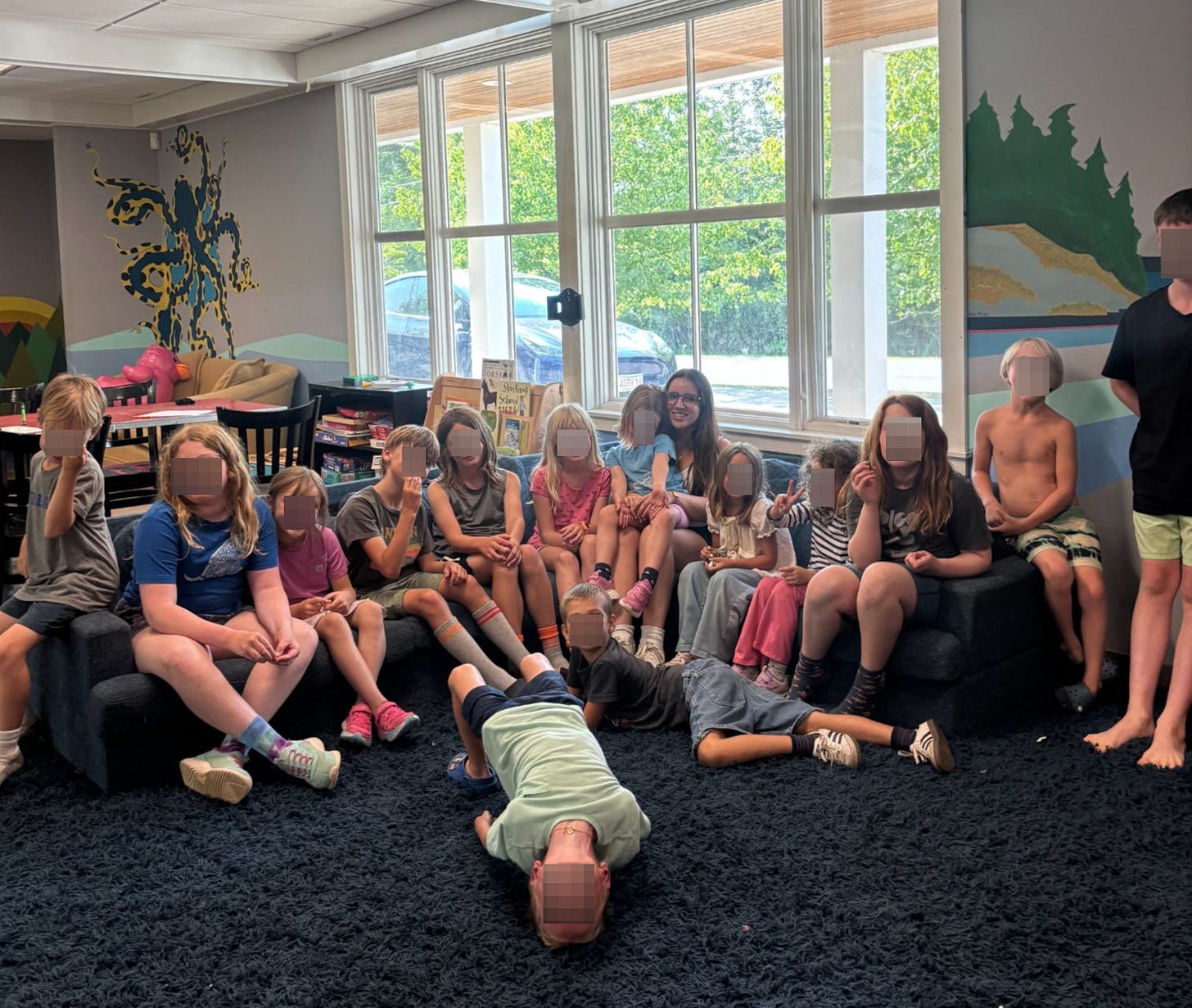
Charlie Friedman, a 10th grade student at Ethical Culture Fieldstone School, harnessed the power of the sea this summer. She chose Isleboro Island, Maine as the location for her camp, a small island off the coast of the mainland that is home to just over 500 people. Kids in Isleboro are much more familiar with sailing, fishing, and spending time outdoors than with Latin or Ancient Greek, according to Charlie.
In the first week, Charlie realized that her students were already familiar with the basics of Greek Mythology. Rather than reviewing stale material, Charlie was able to connect the children’s existing interests around the sea with Classics through lessons centered around The Odyssey. Because she managed to bridge the familiar with the new, Charlie was able to build trust with her students and explore The Iliad by their third week.
Charlie’s camp made studying the Classics fun and relatable to her students’ tangible life experience:
“The Islesboro setting also made The Odyssey particularly fun to teach because the students were already familiar with the sea, boats, and the challenges of sailing. Even though Odysseus’s world was thousands of years ago, some of its connection to hardships felt familiar to my campers which again, made them want to be involved. After the lesson, we played an Odyssey-themed bingo game using characters, monsters, and objects from the story, which allowed them to review what they had learned in a way that felt more like a game than a lesson. I additionally bribed my campers with candy and cookies!”
Two Ends of the Silk Road: Ancient Greece to Dunhuang, China
Alice Zhang
“These students may not become Classicists, but they now know that the ancient world belongs to them, too.”
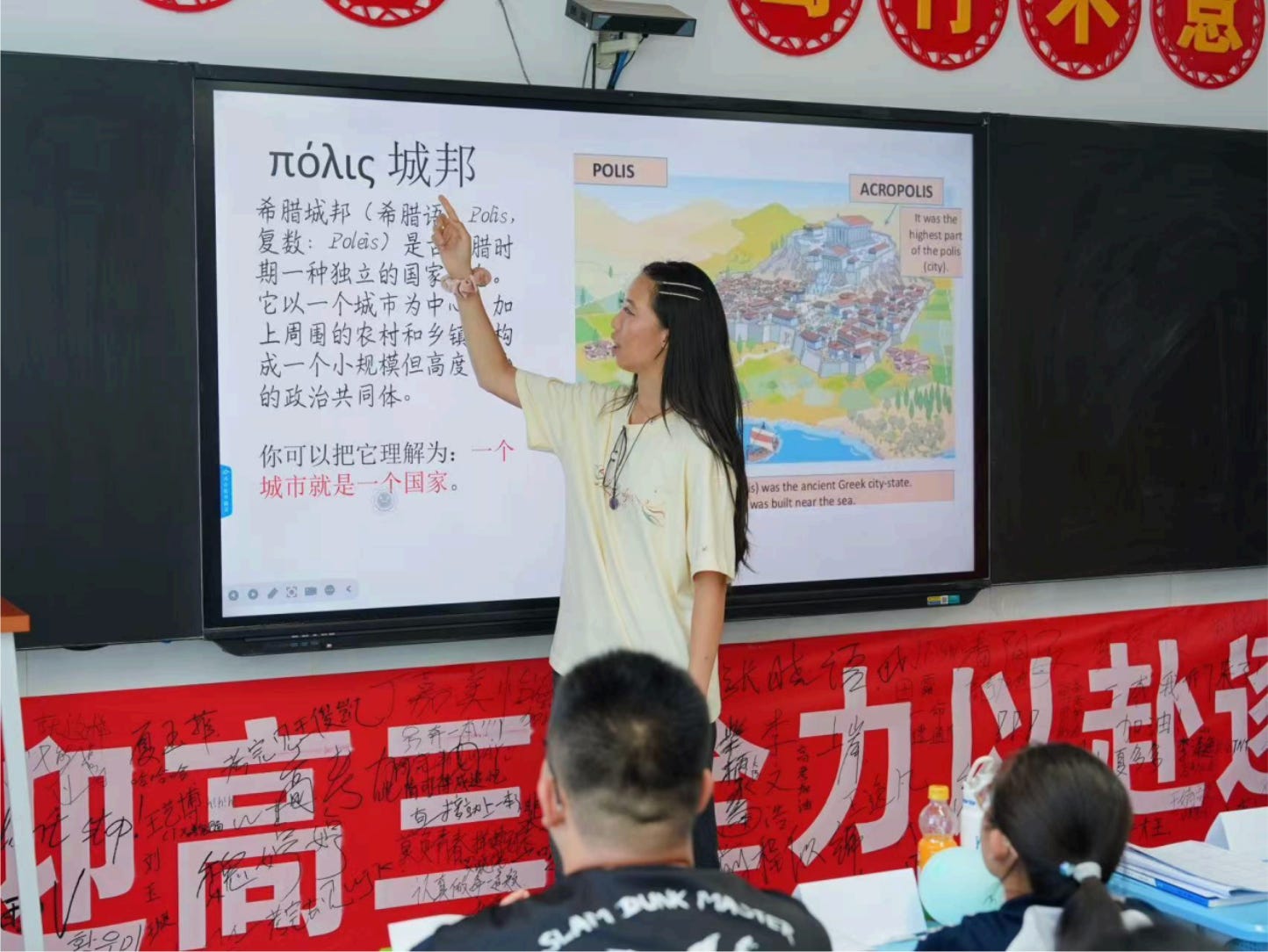
Our final story comes from Alice Zhang, a 10th grade student from The Experimental High School Attached to Beijing Normal University. In addition to our grant, Alice was chosen as a Building Bridges teaching assistant. A joint project by Yale, Peking and the University of Beijing, the program brings educational opportunities to different regions across China. This year, only twelve high school teaching assistants nationwide were selected to join the project, of which Alice was one. Alice’s camp took place in the city of Dunhuang, an underserved area of China.
As she designed the thematic scope of her summer camp, Alice foregrounded her interest in the history of the Silk Road as a geographic and cultural link between East and West. This allowed her to structure her teaching as a conversation between the Classics and the city of Dunhuang’s own local history as a Silk Road trade hub.
Alice’s students had very little previous exposure to the Classics, as their schooling was primarily focused on preparing them for the rigorous Gaokao national exam, which does not prioritize humanistic subjects and learning. Alice was able to cover a lot of ground during her 12-day camp: Greek tragedy, archeological connections between China and Greece, Greek cuisine, a Latin workshop, classical reception in the 21st century and much, much more! At first, her students were confused or dismissive about studying Classics, relegating it to old, dusty books or for future museum curators. However, after camp, her students’ attitudes had quickly shifted:
“A similar question [“What do you think the study of Classics is? What reasons do you speculate might draw people to this field?”] was posited as the concluding question of the course. The students approached it with new insights and perspectives:
“I now realize that Classics is not just about the past—it’s about how the past keeps showing up in our lives today, like in brands, movies, and even architecture.”
“Studying Classics makes me feel connected to a much larger world. I never thought I could learn Greek myths here in Dunhuang, but now I see that Dunhuang itself is part of that story.”
“What surprised me most is that ancient people asked the same big questions we ask today—about fate, choices, and what makes a good life.”
“Classics is beauty itself.””
Conclusion
As our brilliant and intrepid Teaching Literacy with Latin summer camp leaders have demonstrated, Classics is for the young. It is for the old. It is for the sea-farers and the desert-crossers. Classics is for you and for me and for everybody!
If you would like to get involved with Teaching Literacy with Latin, please fill out our volunteer interest form.
We would like to take some space to honor all ten winners of our Teaching Literacy with Latin Summer Grant:
Alex Doctoroff
Charlie Friedman
Alice Xiaoai Zhang
Silvia Kang
Finnegan Curley, Molly LaPorte and Hopewell Valley HS Latin students
Jocelyn Wen
Noa Lindemann
Alejandro Manso
Kelly Zhao
James Bloom
Aminata Hughes is the Paideia Institute’s Outreach Manager.
Originally published in In Medias Res on Substack. Read it there or subscribe to get new articles by email.