
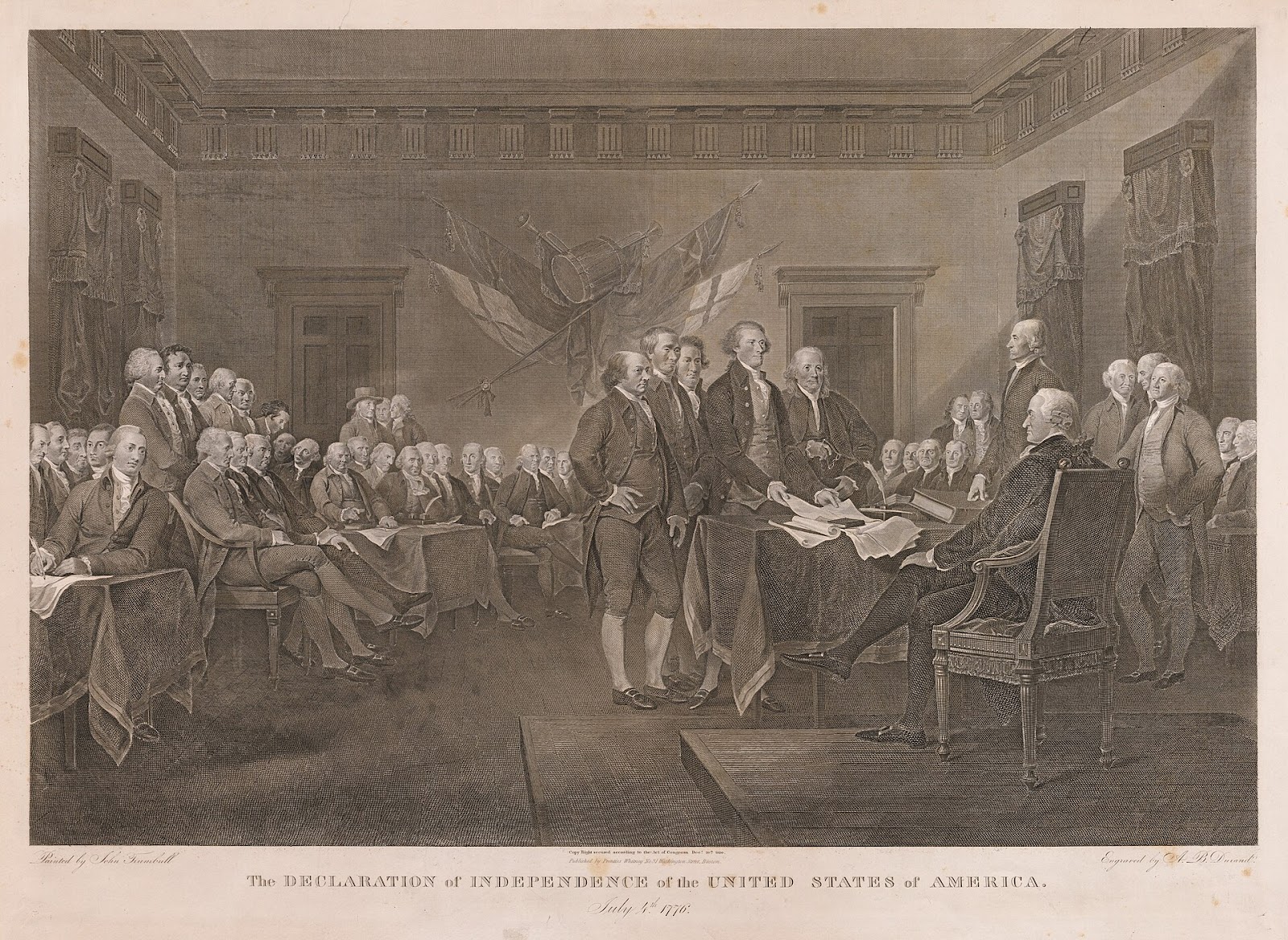
Course Description: Yes, but... what can you actually DO with a Classics degree? One answer: you can found the freest, mightiest, most successful republic in the history of the world! If we translate what the American Founders studied in college into contemporary categories, we would term them Classics majors. In this class we will translate and discuss great texts in Latin in 10 daily two-hour sessions. Sessions 1-3: excerpts from Cicero about natural law, the virtue of prudence, and republicanism as the ideal mixed regime. Sessions 4-5: two Latin translations of the first and third parts of the Declaration of Independence. Sessions 6-9: Latin translations of Pericles' Funeral Oration by two of the greatest Renaissance Humanists, Lorenzo Valla and Philip Melanchthon. Session 10: two Latin versions of the Gettysburg Address. Come join the adventure of this intellectual ancestry search in time for America's 250th birthday!
DETAILS
Level: Intermediate-Advanced. Intermediate-Advanced reading knowledge
Textbook: Instructor will provide materials.
Sections capped at: 5 students. If the course is sold-out, please fill out this waiting-list form.
When
Monday-Friday, June 22-July 3, 5:00-7:00 p.m. U.S. Eastern Time
Cost
$650
Course has already past.
