Curriculum Overview
Living Latin is the Paideia Institute's introductory Latin curriculum for schools and independent learners. Set in modern-day Rome, Living Latin tells the story of a group of study abroad students from across the world who adventure around Italy reading ancient, medieval, and Renaissance Latin texts associated with the monuments and historical sites they encounter. Eventually, the story develops into a fast-paced mystery novel.
Born as a self-paced online course, Living Latin encompasses an interactive digital curriculum and a two-volume series of textbooks with accompanying consumable student workbooks. Both the digital and print editions of Living Latin are designed to be used independently or concurrently depending on your Latin classroom's unique pedagogical needs and preferences.
Spanning 60 learning units, Living Latin covers all of the foundational grammar, vocabulary, and reading skills of an introductory Latin course sequence, preparing students to confidently read authentic Latin texts at the intermediate and Advanced Placement® levels upon completion.
Living Latin Volume I: Urbi et Orbi Textbook
The Urbi et Orbi textbook presents the first half of Paideia's Living Latin curriculum (Capitulum I – Capitulum XXX), including the graded reader, glosses, grammar modules, and history and culture enrichment articles. $65 hardcover (ISBN 979-8-9889071-5-2); $50 paperback (ISBN 979-8-9889071-4-5)
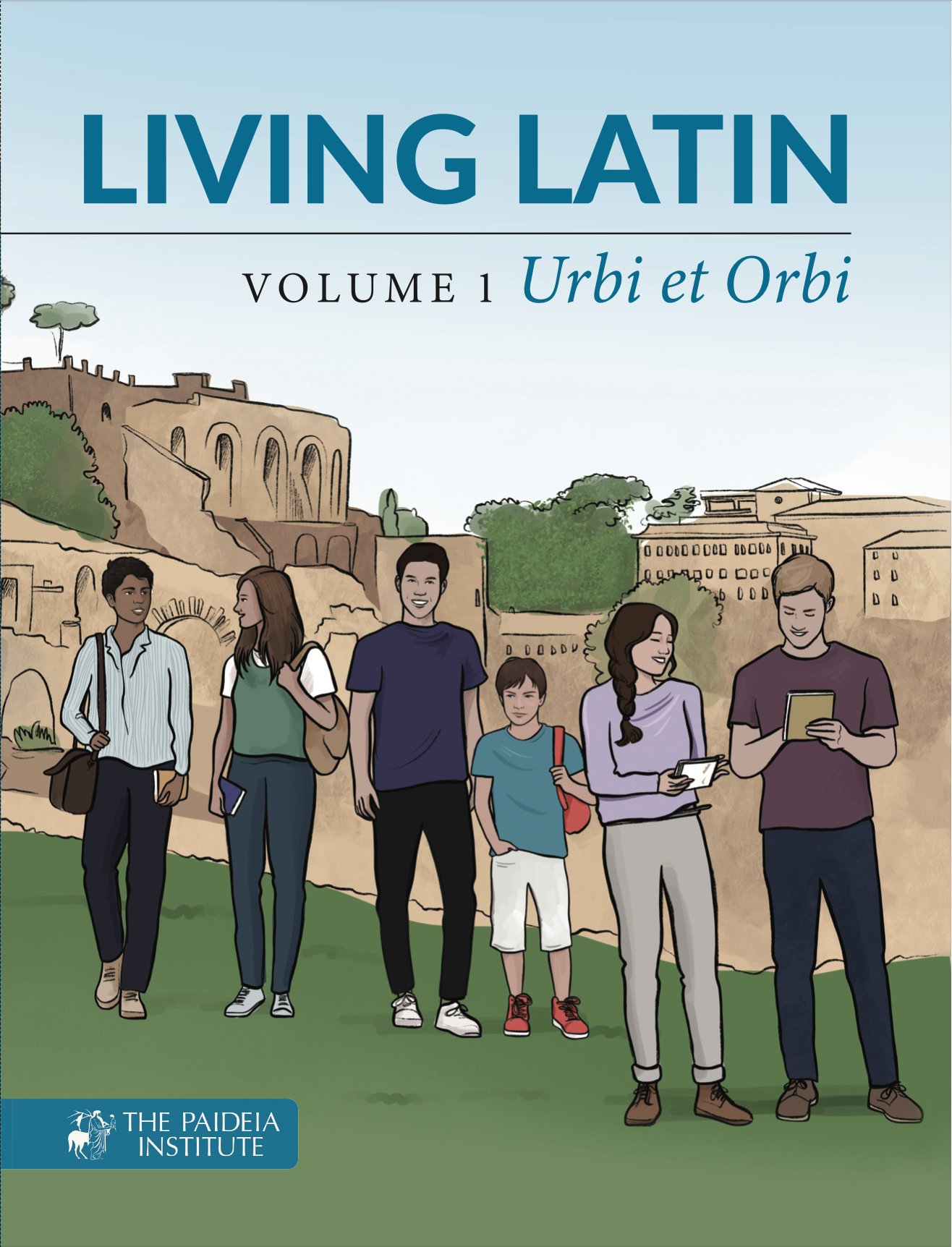
(Click Image to Preview)
Living Latin Volume I: Urbi et Orbi Workbook
A consumable workbook for students, offering a wide array of practice exercises to review and test the grammar and vocabulary learned in each chapter of the Living Latin Volume I: Urbi et Orbi textbook. $20 spiral bound (ISBN 979-8-9889071-6-9)
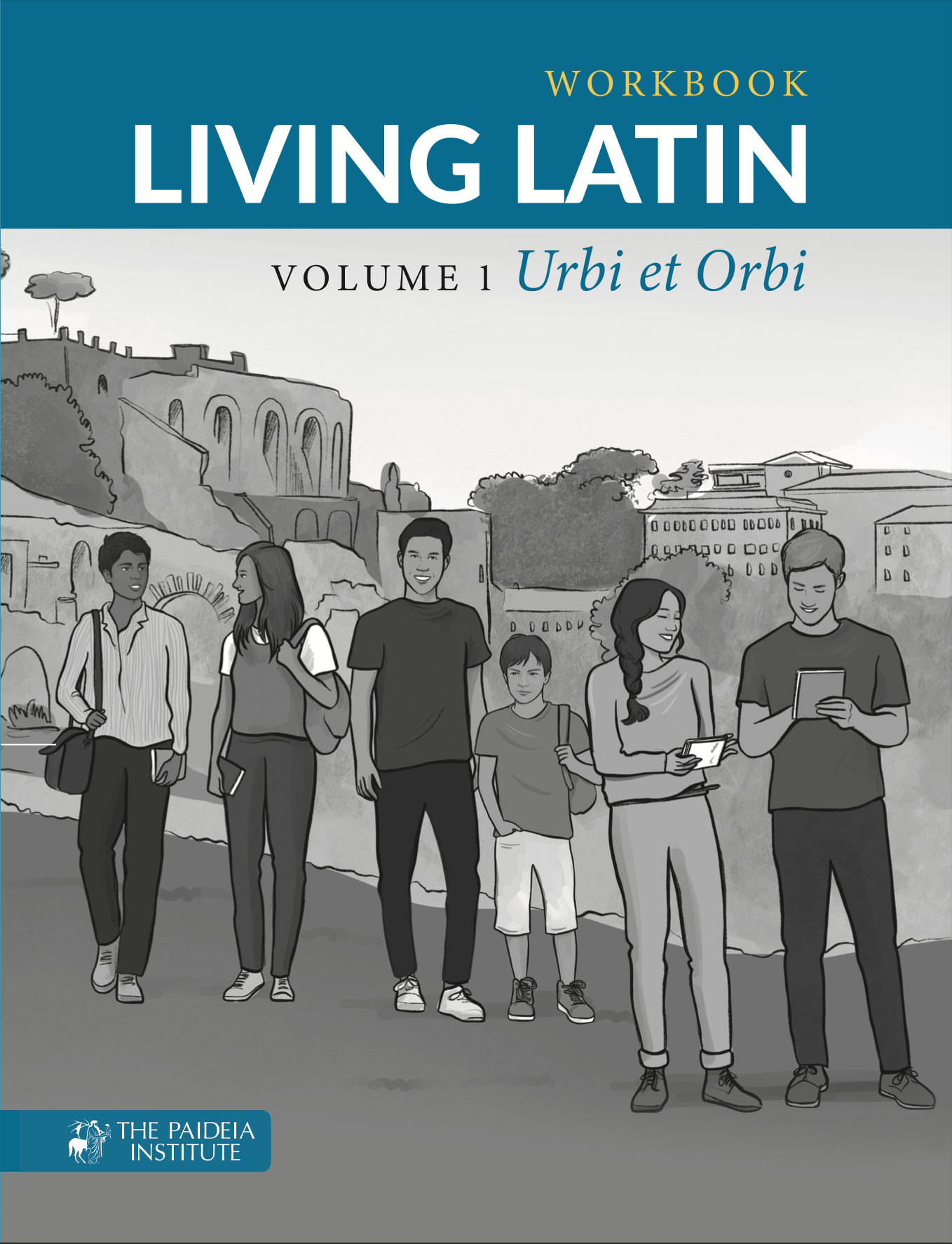
(Click Image to Preview)
Living Latin Volume II: Loci in Locis
The textbook and workbook covering the second half of Living Latin (Capitulum XXXI - Capitulum LX) are forthcoming later this year, 2026.
Digital Resources and Learning Analytics
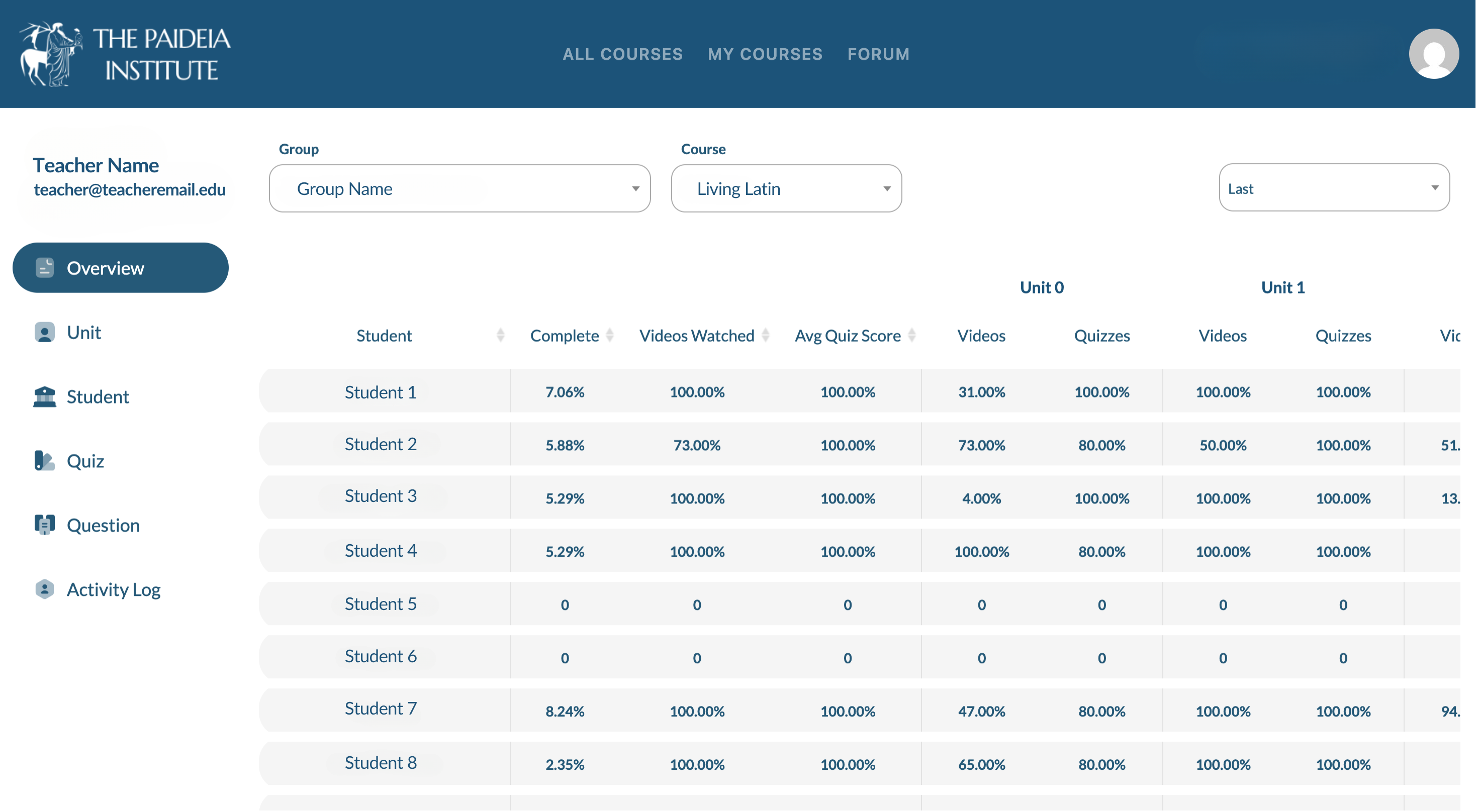
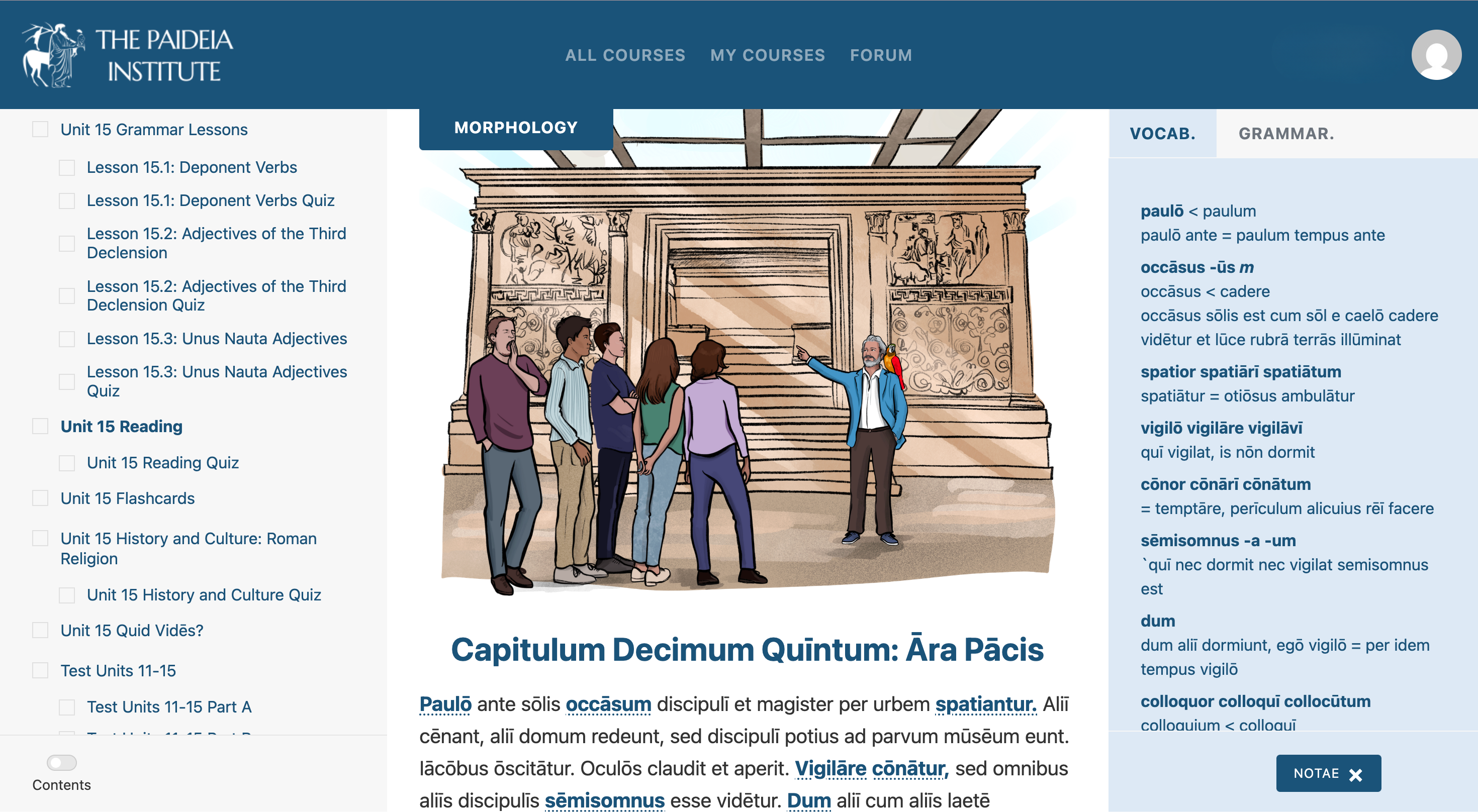
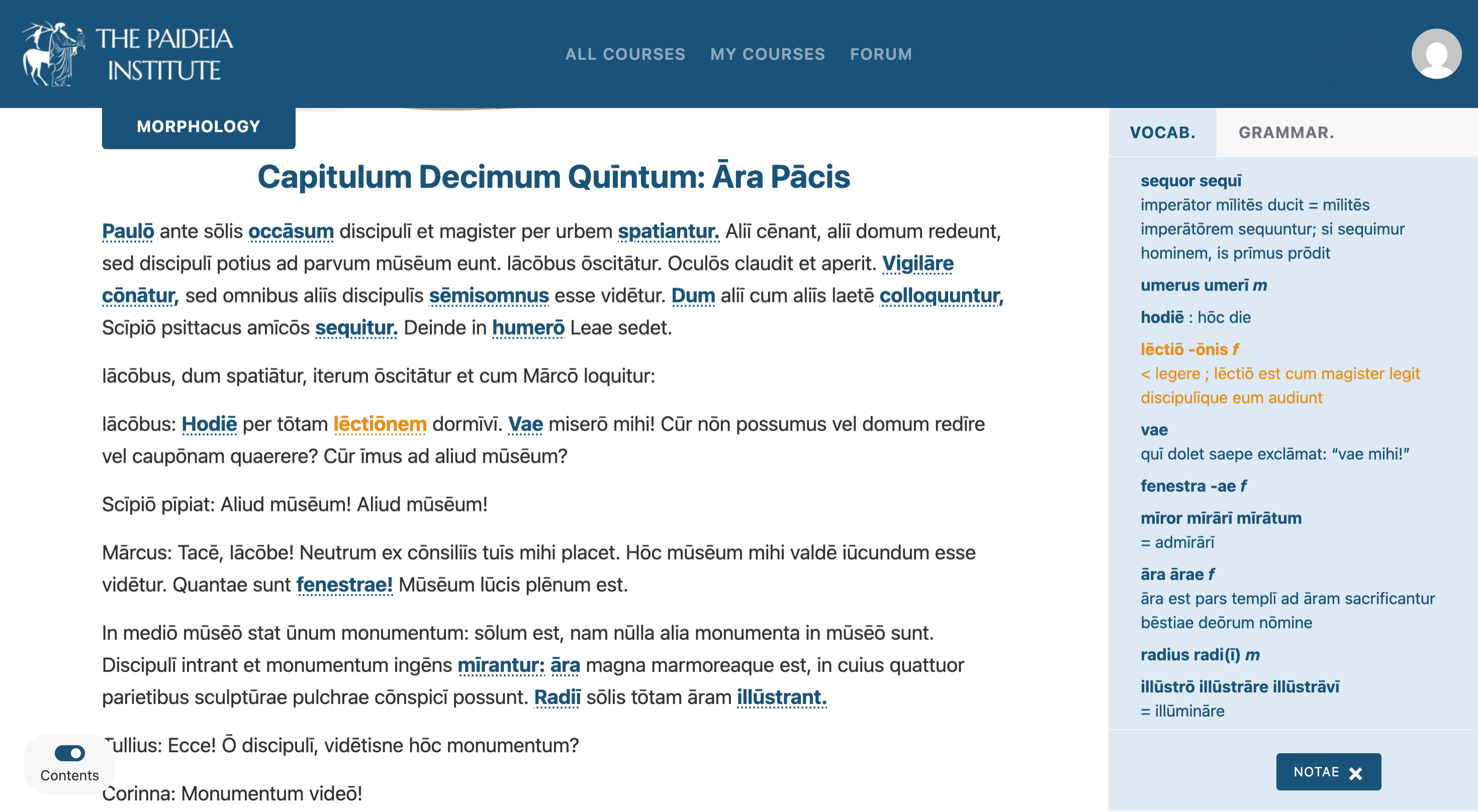
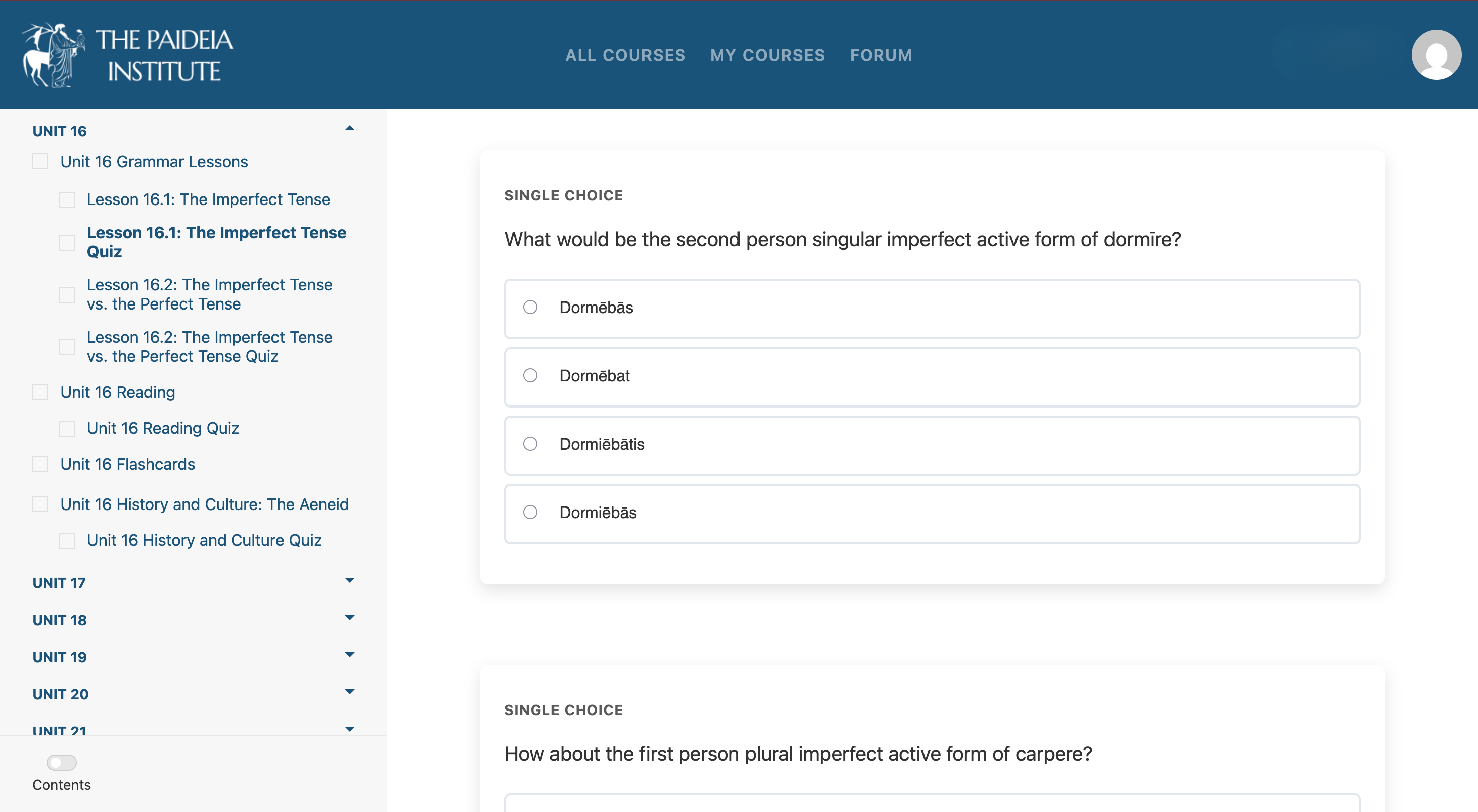
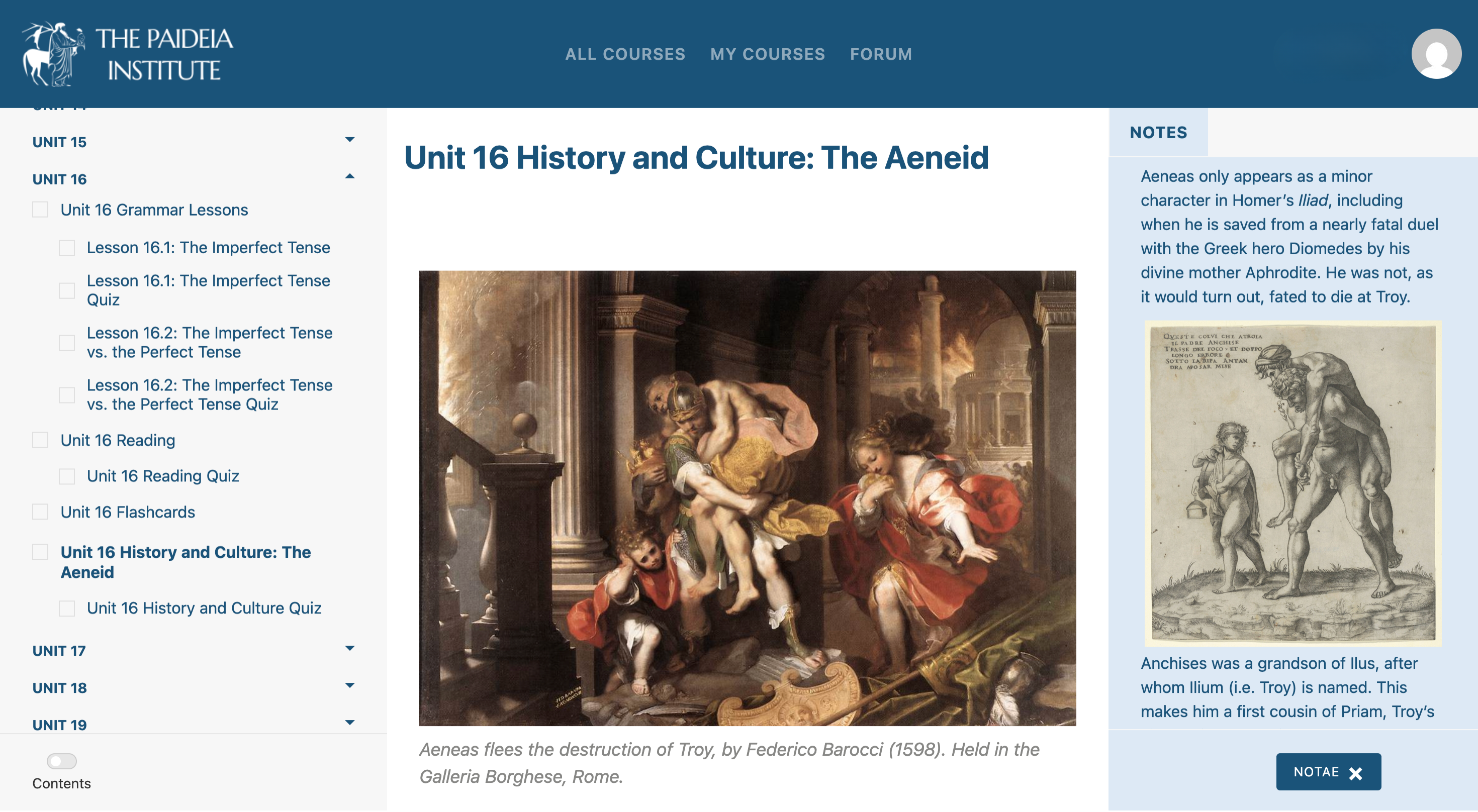
The digital edition of Living Latin is presented on Paideia's interactive online learning platform and features 100+ animated videos teaching Latin grammar, clickable morphology and glossing tools, built-in chapter quizzes and summative assessments, and customized learning analytics for teachers. These tools allow teachers to view student performance in the course, and filter by individual student or specific quiz or lesson elements.